Guided Tours in Lapland: Choosing the Right Experience for You
Guided tours are a big part of travelling in Lapland. In many cases they are not just convenient, but necessary. Weather, darkness, distances and animals all change what is realistic to do on your own.
Even as a local, without knowing reindeer herders or husky farmers, I would have very limited access to these activities on my own without activity providers.
At the same time, the number of tours available has grown quickly. There are large operators, small local companies and everything in between. The same activity can be offered in many different ways.
Because of that, the experience often depends less on what you choose to do and more on how you choose to do it.
Below is a breakdown of the most common types of guided tours in Lapland and what kind of traveller they usually suit best.
All-in-one tours
Many visitors want to do everything in one day. Preferably in daylight.
Often that mean as part of a single all-in-one tour.
These days usually turn into “bucket list” days. The schedule is tight, the pace is high and the day can feel surprisingly stressful.
To be fair, many people genuinely enjoy this. They like the variety, the structure and the feeling of seeing as much as possible in a short time.
Others leave feeling a bit disappointed, even though nothing actually went wrong. The activities were fine, the guides were good and the day ran as planned.
The difference usually comes down to expectations.
All-in-one tours are also a significant investment. They are often cheaper than booking each activity on separate days, but they are still far from inexpensive.
They offer efficiency and certainty. What they usually do not offer is a quiet or particularly personal experience.
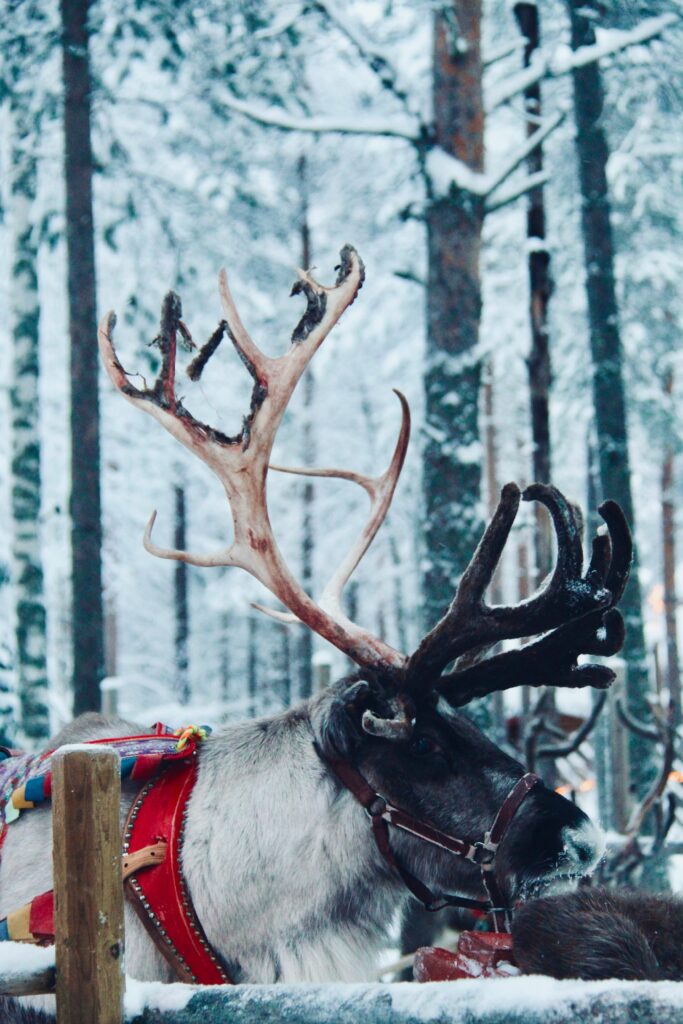
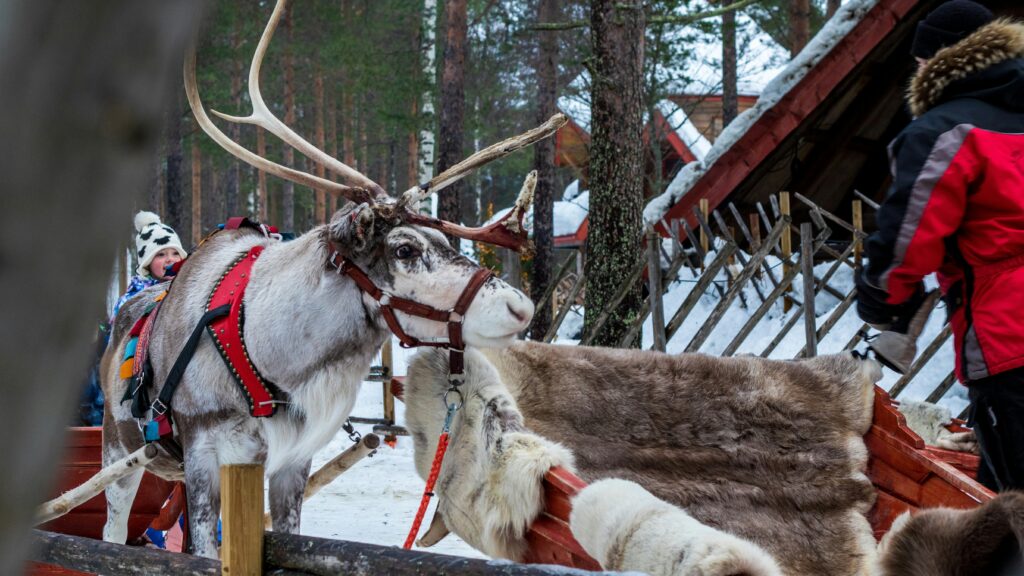
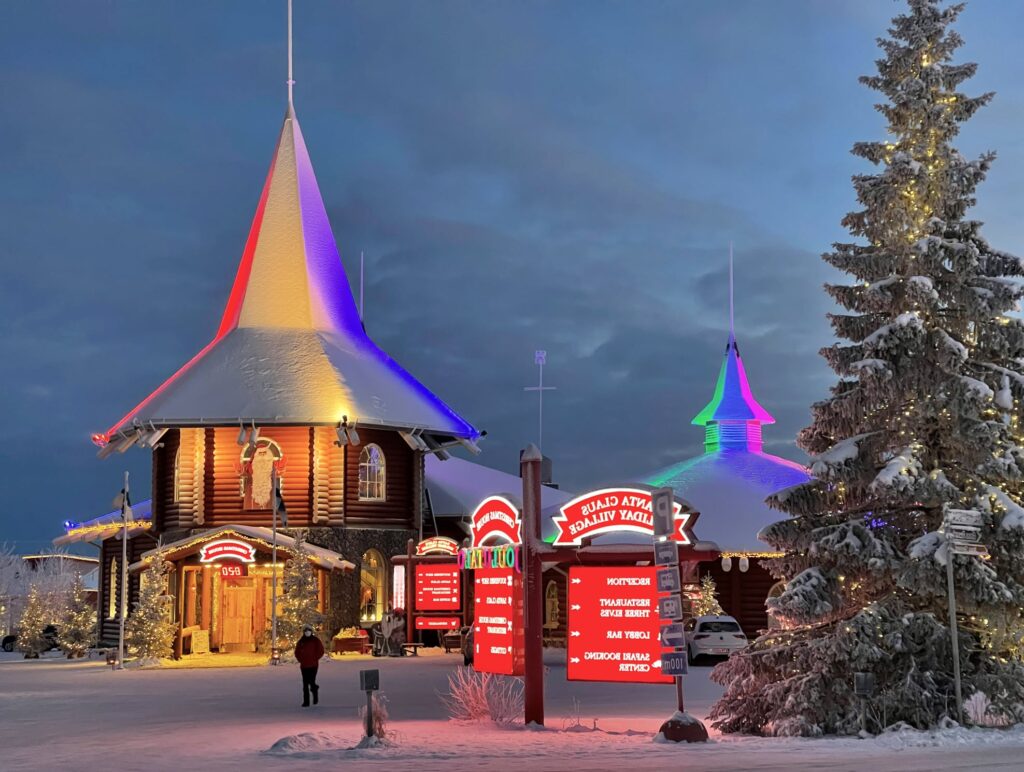
Most all-in-one days mean moving with a large group by bus, waiting your turn and following a carefully timed schedule from one stop to the next. Husky and reindeer rides are usually couple minutes long, snowmobiling is done in a big line full of snowmobiles and Santa Claus Village visit is couple hours roaming around.
That does not make them bad experiences. It simply means they are very different from the calm and spacious version of Lapland many people imagine before arriving.
In Lapland, how something feels often matters more than how much you manage to do.
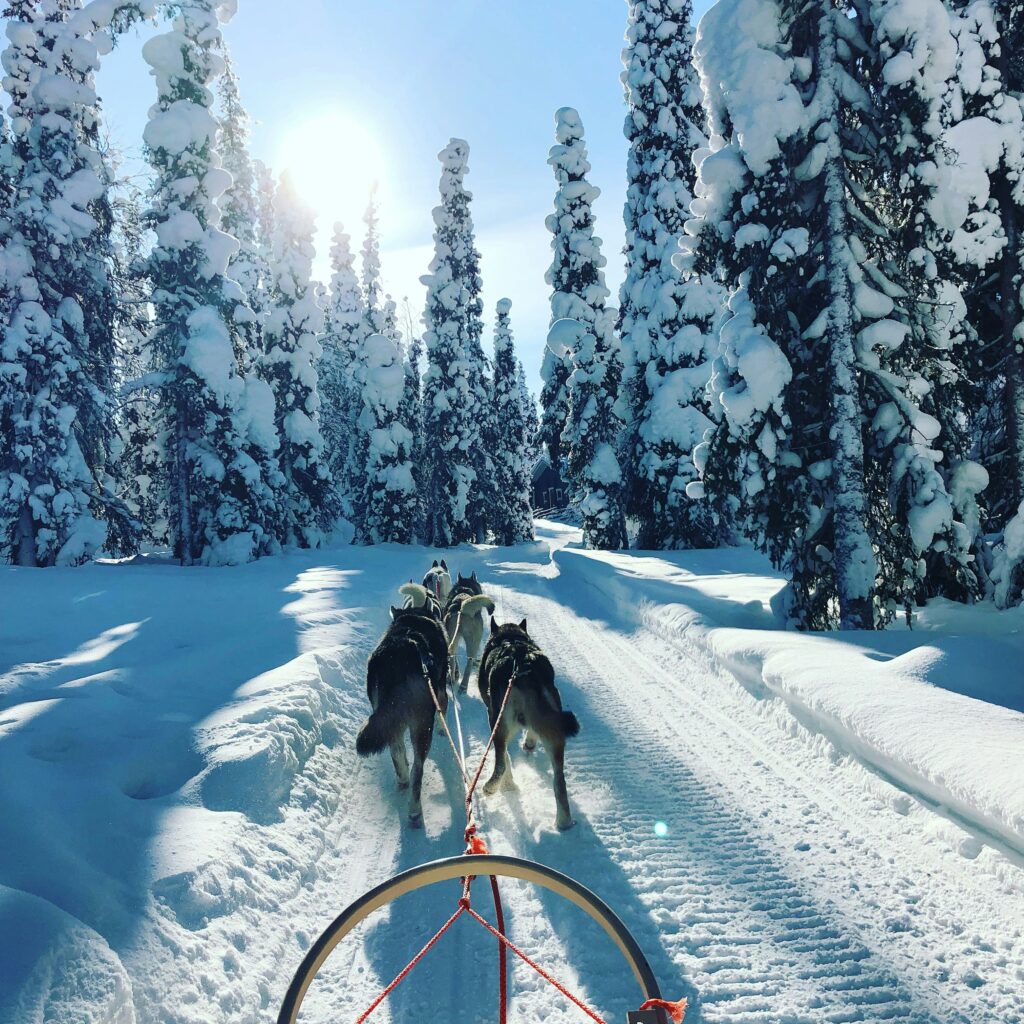
Single-Activity Tours
Single-activity tours focus on one experience at a time.
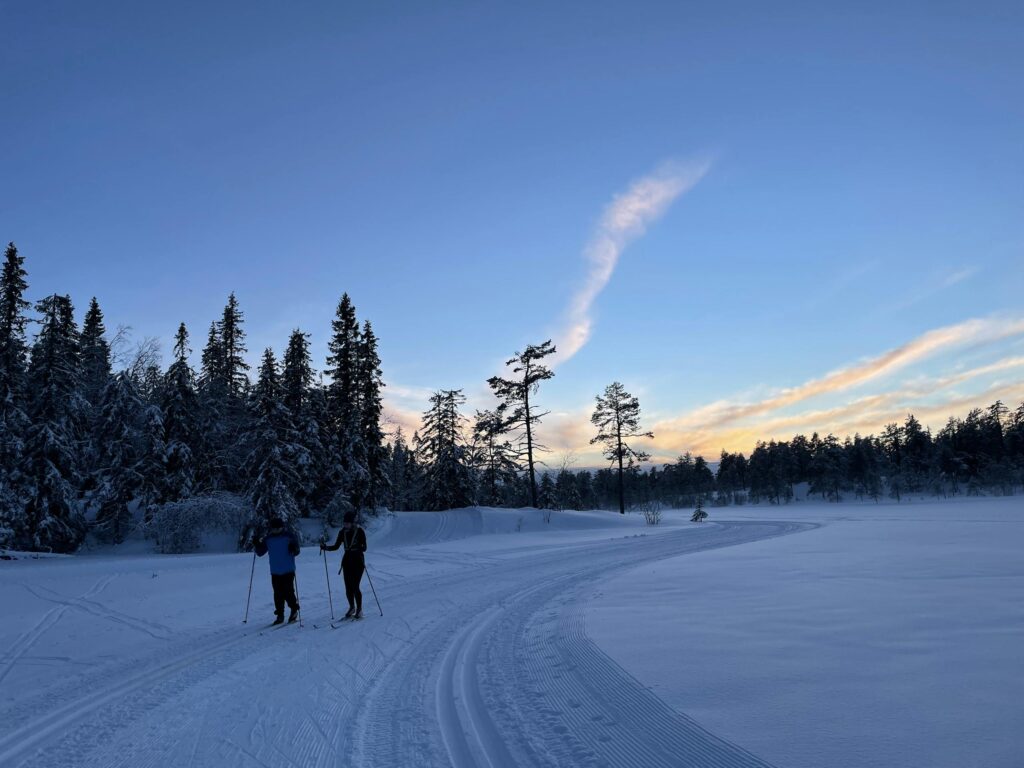
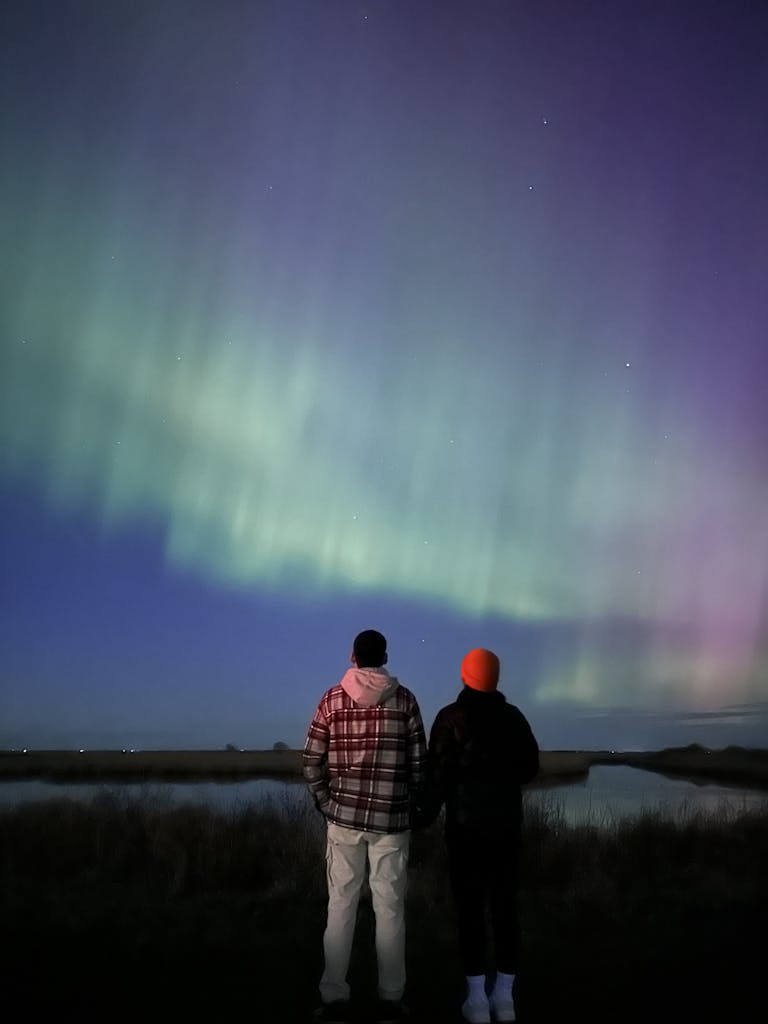
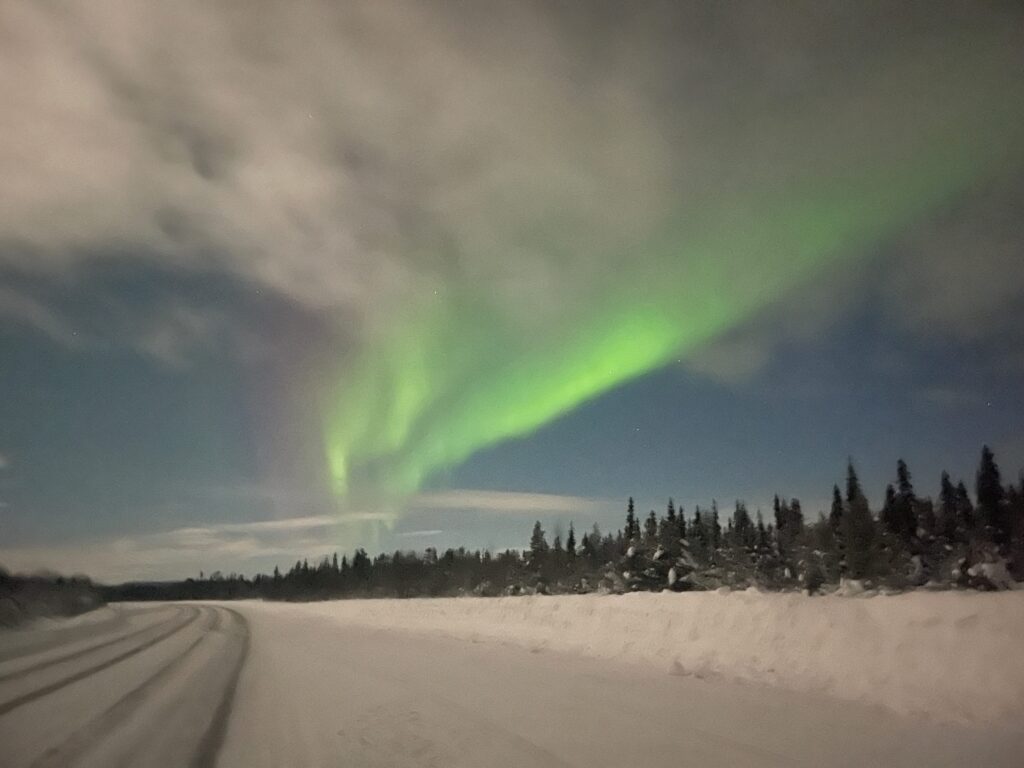
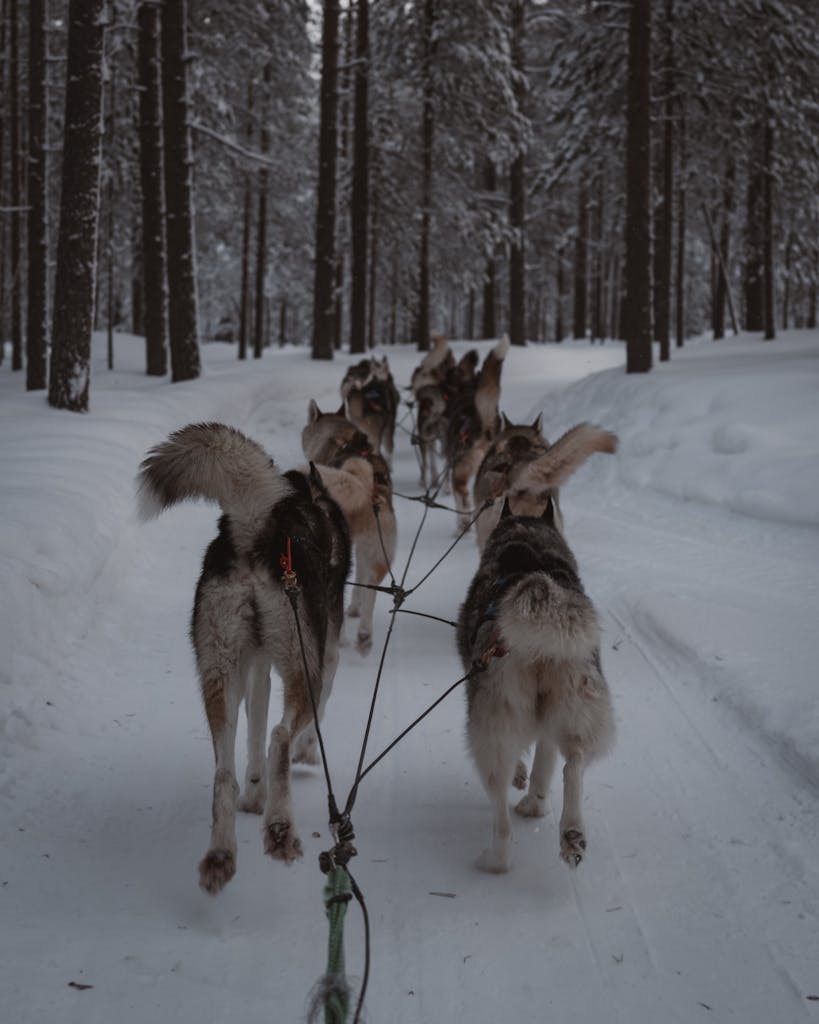
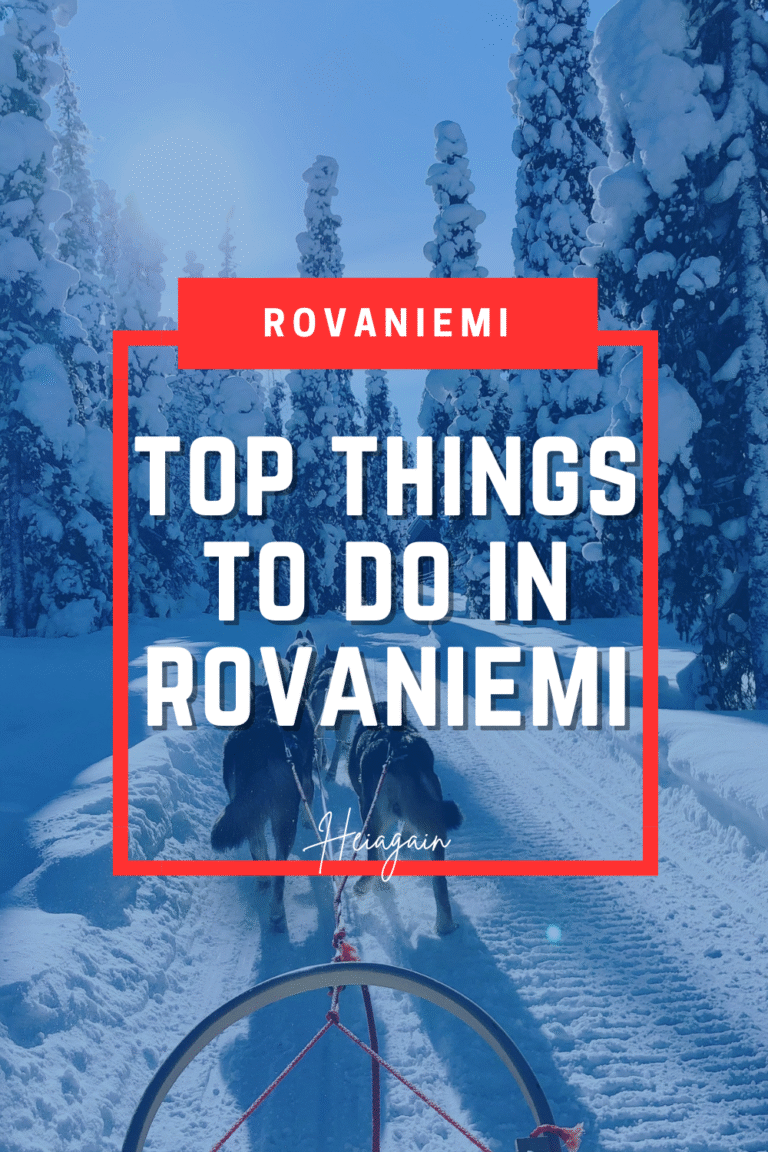
Husky safari, Reindeer tour, snowmobile safari or a northern lights hunting.
This type of tour usually allows more space within the experience itself. There is less rushing between locations and more time to focus on what you are actually there to do.
That does not automatically mean the experience will feel personal. Group sizes still vary a lot, and the atmosphere depends heavily on the operator and even the specific day.
In the past, it was sometimes possible to get a rough idea of group size by checking how many participants you could book at once. Today this is less reliable. Larger tour operators often set booking limits that do not reflect the actual group size on the day of the tour.
Many companies describe their activities as small group experiences. If the description clearly states a maximum number, that is helpful. If it does not mention group size at all, it is usually worth asking the company directly before booking, especially if you do not want to go snowmobiling or northern lights hunting with over 100 other travelers.
For many visitors, single-activity tours work best when they are spread across different days. This gives the trip a more balanced rhythm and leaves room for rest, weather changes and simple moments in between.

Small-Group Tours
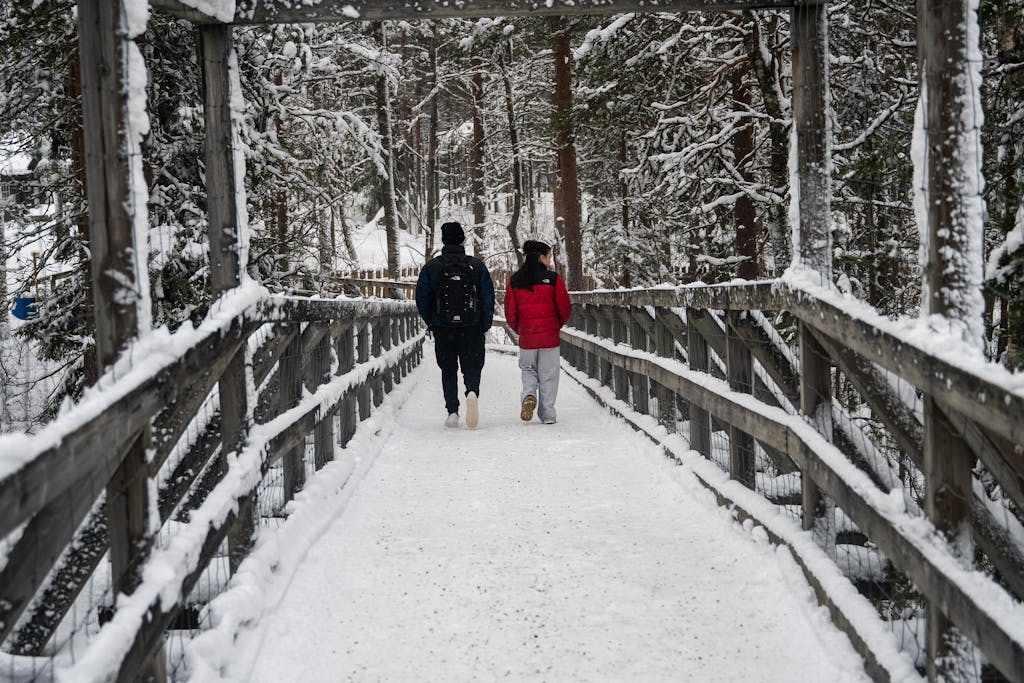
Small group tours are usually designed with atmosphere in mind.
Group sizes are limited, schedules are looser and guides have more time to interact with guests.
These tours often feel calmer and more personal, especially for travellers who value silence, space and conversation over efficiency.
They are usually more expensive per activity, but many people feel the difference immediately. Fewer people change how places feel, especially in nature.
This type of tour suits travellers who are less interested in ticking boxes and more interested in a real experience.
Private & Custom Tours
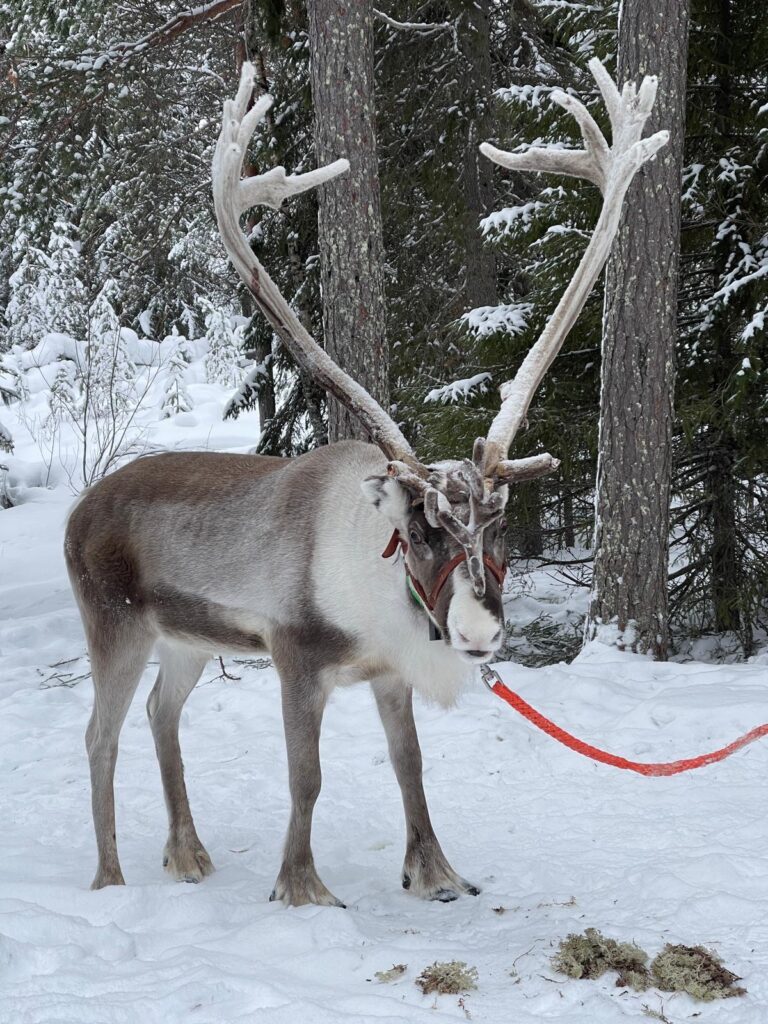
Private tours offer the most flexibility and control.
They are often chosen by families, photographers or premium/ luxury travelers.
The experience can be adjusted to weather, energy levels and personal interests. There is no need to follow a group schedule or wait your turn.
Private tours are also the most expensive option. For some, the price feels justified by comfort and flexibility. For others, it feels unnecessary.
They work best when you know exactly what you want from the experience.
When Guided Tours in Lapland Make the Experience Better
Guided tours are not just about convenience. In Lapland, they often improve the experience in very real ways.
Local guides understand the conditions, the light and the rhythm of the season. They know when to wait and when to move, and when plans need to change entirely.
That said, the guiding landscape in Lapland has changed a lot in recent years.
Many guides working in Lapland today are new to the region. There is nothing wrong with that in itself. Anyone can learn Lapland over time. The challenge is often the timing. Seasonal guides usually arrive in late October, just weeks before the busiest winter season begins. This leaves very little time to truly understand the conditions, the distances, the weather patterns and how quickly situations can change. Some are even driving snowmobiles for the first time when customers arrive.
That does not make someone a bad person or even a bad guide. But it does mean they are still learning the place.
This is more common with larger tour operators that need to hire a high number of seasonal staff in a short time. Smaller companies are often run by a few locals or people who have lived in Lapland for years and built their experience over time.
A good guide adds something to the experience. They are not just there to drive, manage a schedule or move a group from one stop to the next. They read the situation, add safety, adjust when needed and help the experience feel grounded.
One Comment