DIY Lapland Travel Guide: Plan Your Perfect Lapland Holiday Yourself
2026 guide for DIY Lapland winter holiday
Planning a Lapland trip can feel overwhelming with so many options, activities, and seasons. This DIY your Lapland holiday guide is designed to help you plan your entire Lapland holiday yourself. All from choosing the right season and base, to picking accommodation, activities, meals, and time to relax.
This is a practical, honest, experience-based guide to building a Lapland trip that feels personal, flexible, and unforgettable.
Mind you, this guide is very long, so bare with me!
Who This Guide Is For
- Travelers who want to avoid rigid tour packages.
- Couples, solo travelers, and independent families.
- Budget travellers, or those who just want so save some money.
- First-time Lapland visitors who want to do it right.
Lapland is often sold as a ready-made fairy tale: packages, schedules, buses arriving on cue, forced magic served in tidy portions. That works for many people. But if you want a trip that actually feels like yours, the best approach is DIY. Build it piece by piece, with intention, curiosity, and a little flexibility.
1. Start With the Season
First: Decide what you want to feel: cozy, wild, playful, quiet. The season will decide half your itinerary for you. The best time to visit Lapland depends entirely on what kind of experience you want.
The season you choose will define:
- weather and daylight
- available activities
- prices and crowds
- how much flexibility your itinerary requires
Below is a clear, honest breakdown of Lapland’s three winter seasons to help you decide.
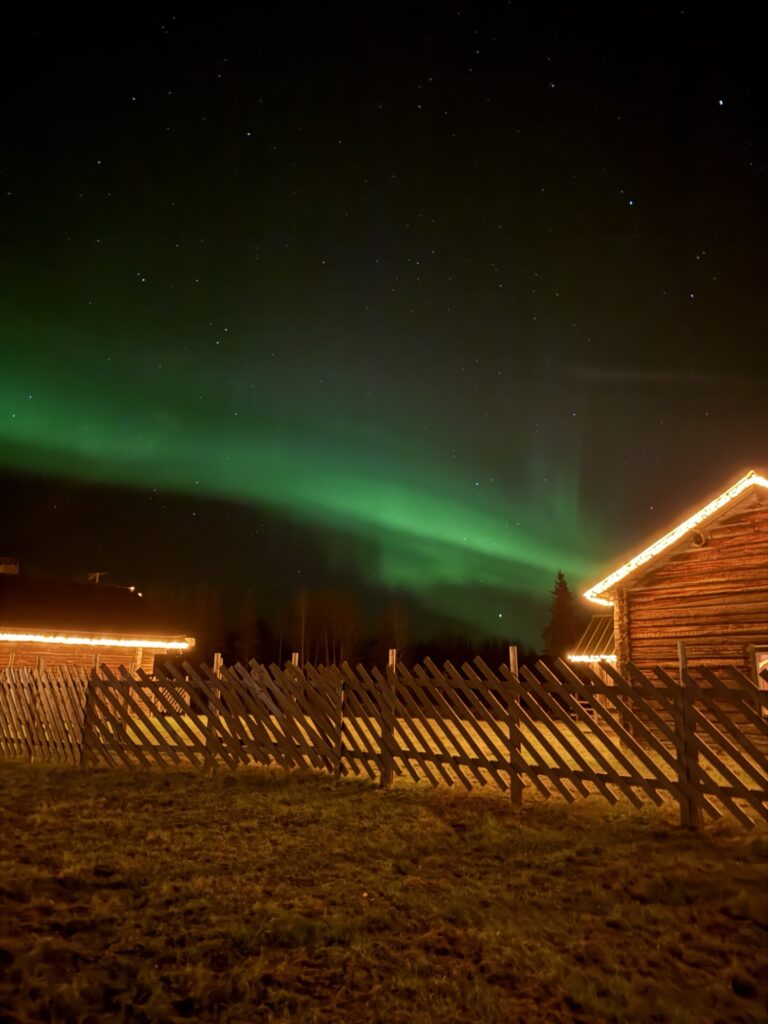
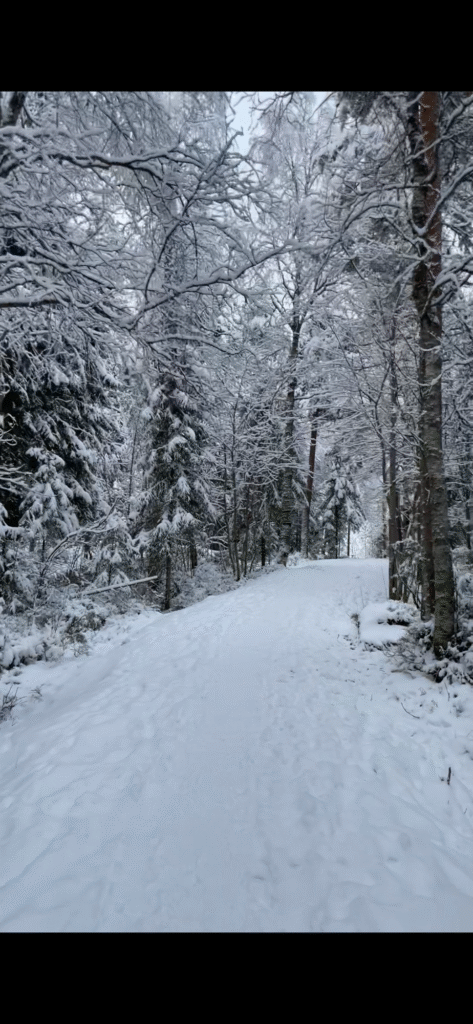
Early winter (November–mid December)
is about atmosphere, not guarantees. Snow usually arrives, but this is not yet the classic white winter wonderland. Some days feel magical and snowy, others wet, icy, or somewhere in between.
Best for: Christmas atmosphere, lighter winter activities, fewer crowds
Not ideal if: You want guaranteed snow and frozen lakes
Early winter in Lapland is about atmosphere, not certainty.
Weather is highly unpredictable. It can snow, rain, sleet, or change its mind completely within a few hours. Trees are mostly bare, but may suddenly be coated in snow or ice, creating brief moments of surreal beauty. Days are short, but not yet extreme.
This period is ideal if you want Christmas vibes, festive lights, Santa experiences, and gentle outdoor activities without too harsh cold or so heavy crowds. If you’re lucky, you’ll experience snowy Lapland before peak season begins.
However, flexibility is essential. Many activity providers must cancel or modify tours due to insufficient snow or dangerously icy ground. Husky and reindeer sledding can be restricted if conditions are unsafe, and ice fishing or walking on frozen lakes and rivers is not safe yet.
This season is popular for:
- Christmas markets and festive decorations
- Santa Claus experiences
- Gentle outdoor activities
- Travelers who prefer milder cold
However, flexibility is essential. Many winter activities depend on snow and ice conditions:
- Husky and reindeer sledding, and snowmobiling may be limited
- Ice fishing and walking on frozen lakes is usually unsafe
- Some wilderness tours operate with modified routes
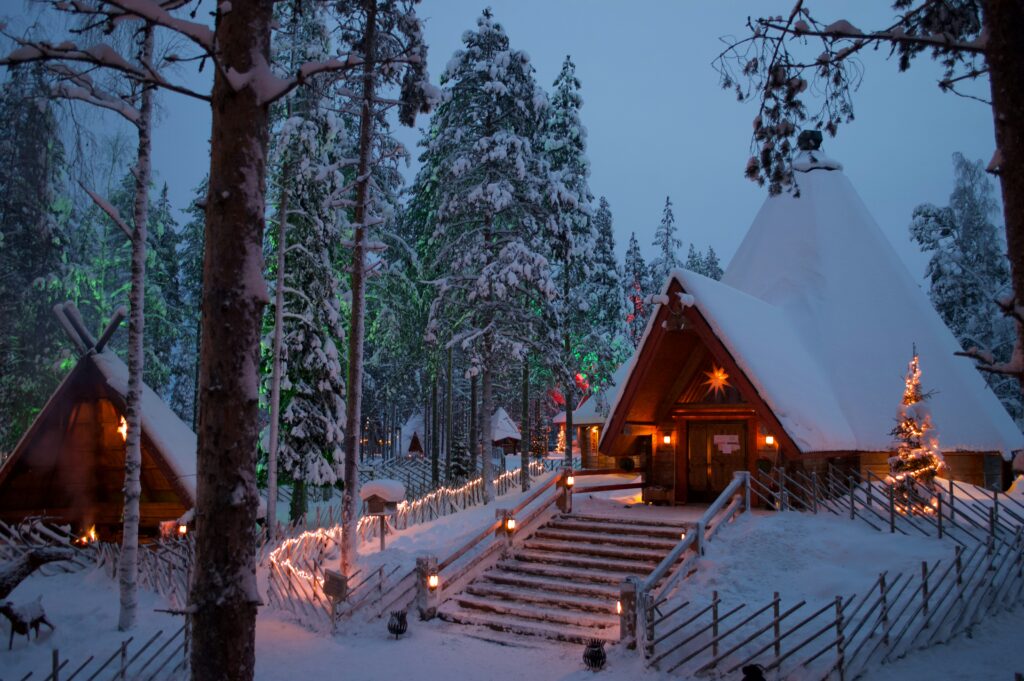
Midwinter (mid December–end of January)
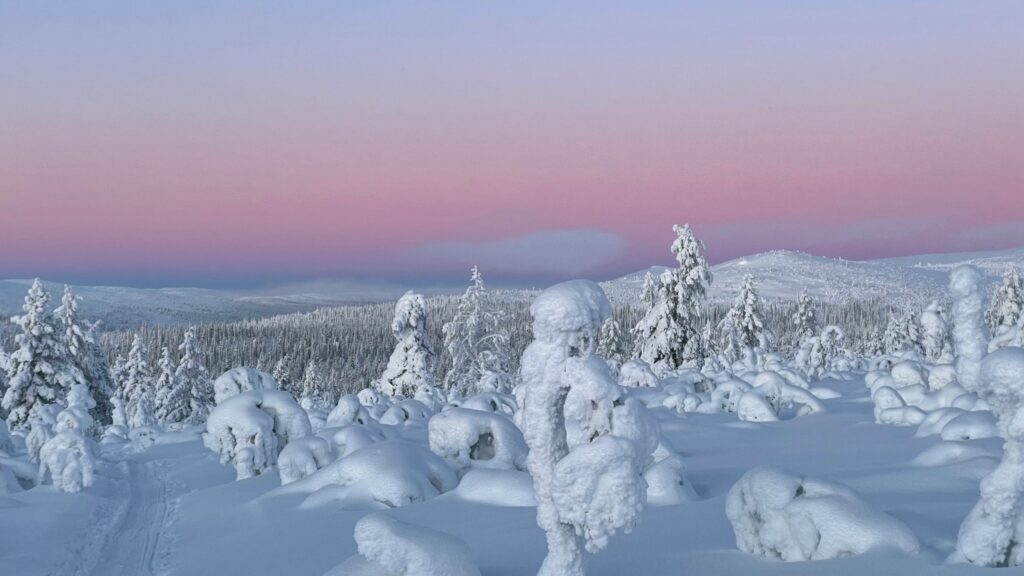
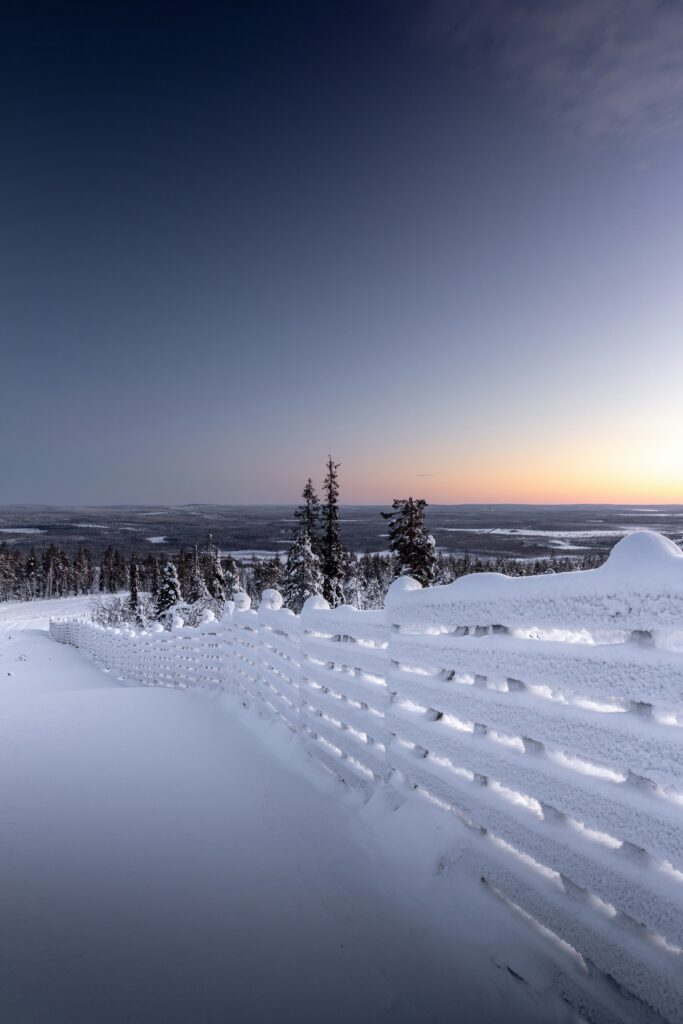
is winter at full volume. Deep snow, real cold, long nights, and soft pink sunsets that feel almost unreal. This is what Finns call sydäntalvi – the heart of winter. Now days it also has a new name: Tourist season.
Best for: Deep winter landscapes, snow activities, classic Lapland scenery
Not ideal if: You dislike cold, darkness, or crowds
Midwinter is Lapland’s peak season and late December is the most expensive time of the entire year to visit.
Snow cover is usually stable and thick, turning Lapland into the fully white landscape many people imagine. Forests, rivers, and fields feel quiet and heavy with snow.
This is the season for huskies, reindeer sledding, snowmobiling, ice fishing, sauna routines, and true wilderness experiences. Ice conditions are generally strong enough for frozen lakes and rivers, making winter activities more reliable than earlier in the season.
Late December (especially Christmas and New Year) is the absolute peak:
- Accommodation prices are at their highest
- Popular hotels and cabins sell out months in advance
- Activities are more crowded and tightly scheduled
- Flexibility is limited
Temperatures vary, but cold is part of daily life. Especially in early January, it’s common to see temperatures below –20°C, and occasionally colder. This sounds dramatic, but it’s rarely dangerous when you’re properly dressed. Extreme cold weather, below –30°C usually don’t last long. Some activities may still be cancelled during very cold days, especially those involving small children. Flexibility is still important, but far less than in early winter.
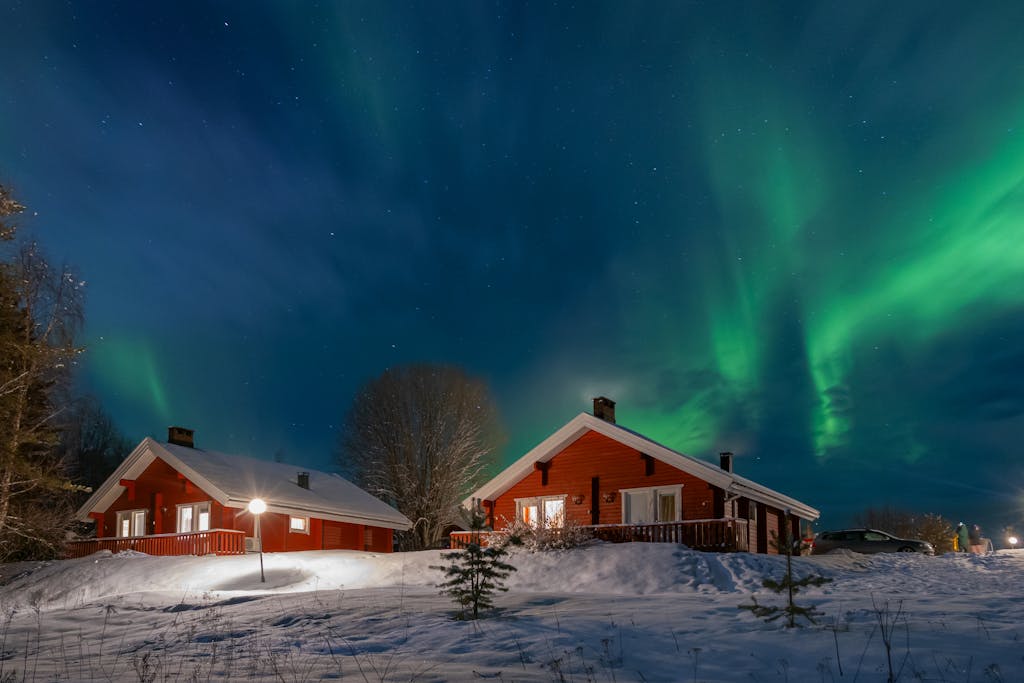
Northern lights are visible throughout midwinter, with particularly good conditions from late January onward, when snowfall decreases and skies become clearer.
Note that if this is your season, but you would like to save some money, come after 6th of January! All prices drop significally after that date!
Winter to late winter (February–end of March)
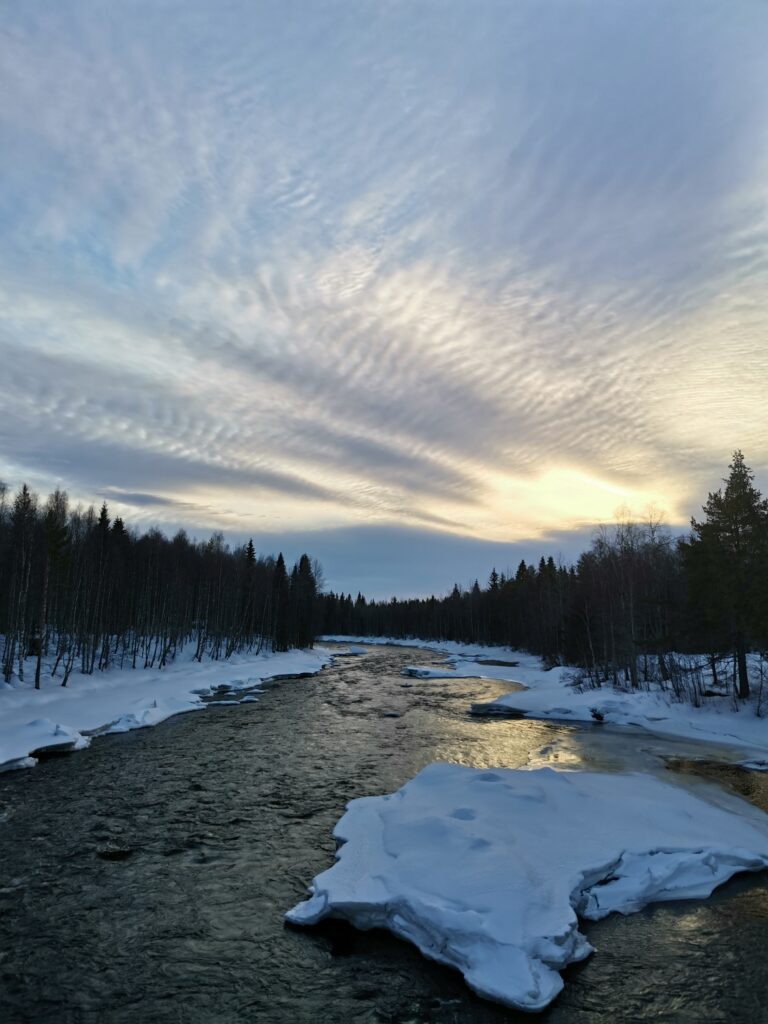
is when light returns! Days grow long quickly, the sun comes back with confidence, and temperatures feel surprisingly comfortable compared to midwinter.
From February onward, Lapland slowly transitions into “winter”, this is when many locals consider winter to be at its best.
Snow conditions are excellent during this period:
- Snow depth continues to increase
- The thickest snow cover typically occurs in mid-March
Despite longer days, nights remain cold enough to prevent melting. This is why spring actually brings more snow on the ground, not less.
Best for: Long daylight, outdoor activities, skiing, photography
This is the most reliable season for:
- Husky sledding
- Reindeer experiences
- Snowmobiling
- Skiing
- Ice fishing
- Frozen lakes and rivers
Snow is still everywhere on the ground, but trees may already be bare, especially in urban areas. This creates a unique contrast: bright light, deep snow, and a sense of energy rather than endurance. The air is crisp but no longer punishing. You can spend hours outdoors without constantly managing extreme cold or frostbite risk. This makes late winter ideal for cross-country skiing, downhill skiing, fatbiking, photography, snowshoeing, and full-day outdoor adventures without rushing back inside.
March is a dream month for skiers. Slopes are usually in their best condition of the entire winter. Solid snow base, well-maintained tracks, and longer daylight hours. While main roads and tourist areas may show less snow, step outside towns and winter still dominates the landscapes.
Late winter is also excellent for northern lights. Snowfall becomes less frequent, skies are often clearer, and darkness still returns at night—an ideal combination for aurora hunting.
Another major advantage: prices. Accommodation and some services are often noticeably cheaper than during the Christmas season or peak midwinter weeks.
Late winter suits travelers who want to do more, stay out longer, and enjoy winter with daylight on their side—without giving up snow, silence, or atmosphere.
Quick Summary
- Early winter: atmosphere and Christmas, but unpredictable snow
- Midwinter: snow and classic Lapland, with cold and darkness, a lot of people
- Winter to late winter: best balance of snow, light, and outdoor comfort
2. Northern lights
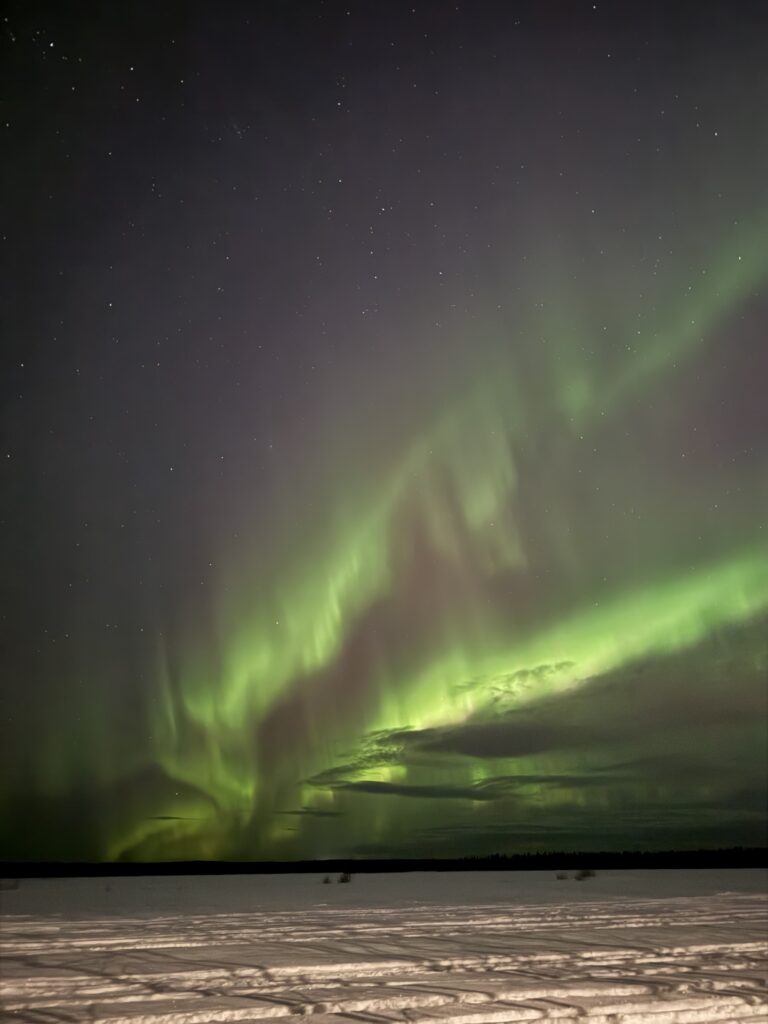
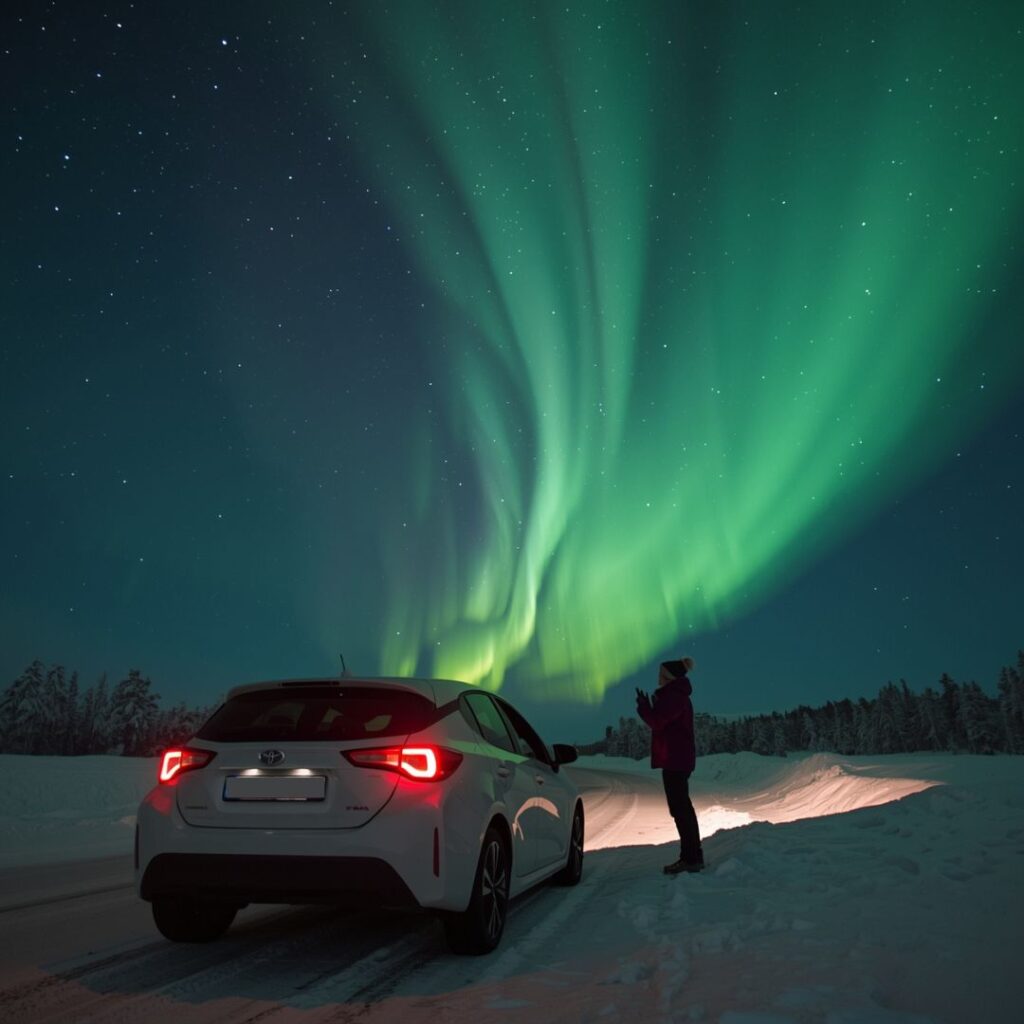
Seeing the northern lights is one of the main reasons many people dream of visiting Lapland. While auroras are never guaranteed, Lapland offers some of the best conditions in the world to spot them – especially if you are willing to plan a little yourself.
For first-time visitors, it’s important to understand that northern lights are a natural phenomenon, not an attraction you can book for a specific time. Location, weather, solar activity and light pollution all play a role. This is why many independent travelers choose a DIY approach instead of relying solely on guided tours.
If you want to understand when and where to look for the northern lights, how to improve your chances, and how to plan your own aurora hunt safely, I’ve written a separate, in-depth guide: Northern Lights Hunting in Lapland. This way, you can decide yourself whether to join a tour or try spotting the auroras independently as part of your Lapland adventure.
3. Choose One Base or Rent a Car
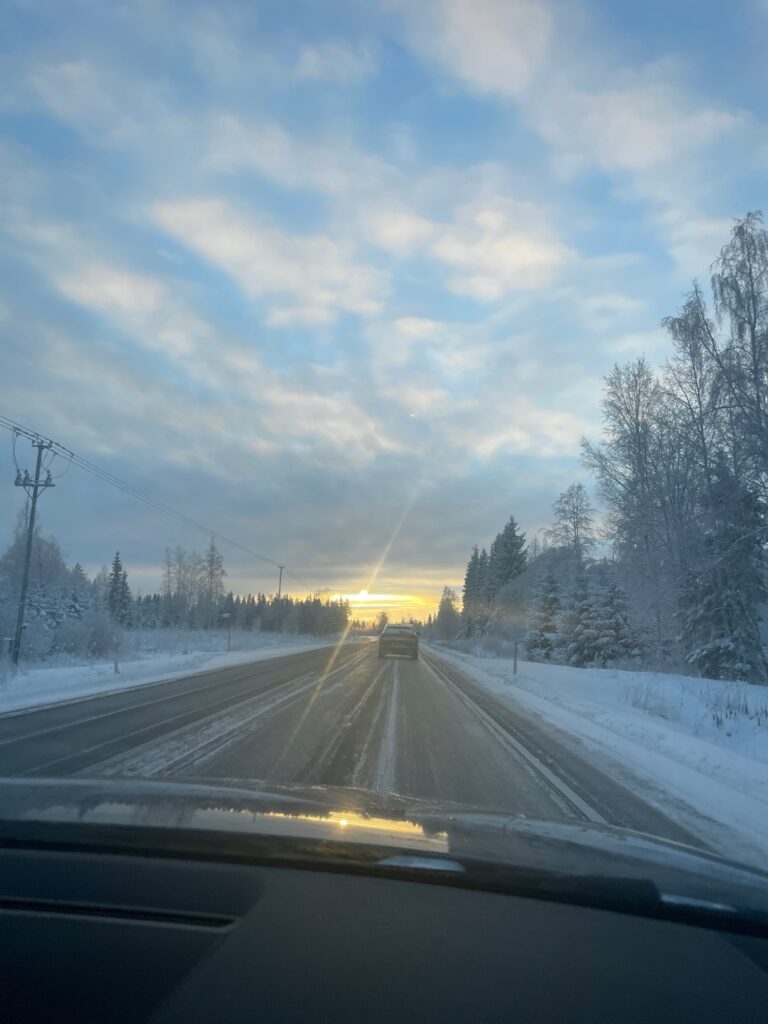
Getting around Lapland without a car is possible, but it requires compromises. Distances are long, public transport is limited, and winter adds its own layer of unpredictability. Buses do operate across Lapland, but not frequently. Many routes run only a few times per day or only on certain days of the week. You cannot assume you’ll be able to move freely or spontaneously from place to place.
Buses do operate across Lapland, but:
- routes are infrequent
- many connections run only a few times per day
- some operate only on specific days of the week
You cannot assume spontaneous movement from place to place. Miss one connection, and your entire day, can be affected.
If you want maximum flexibility on your DIY lapland holiday, renting a car changes everything.
Lapland is relatebly easy to drive in, even in winter. Roads are well maintained, winter tires are mandatory, and driving culture is calm.
With a rental car, a one-week trip can comfortably include:
- a few nights in Rovaniemi
- a few nights in Levi
- time spent in smaller villages or wilderness areas
These quieter places often skipped on package tours are where many travelers find the most authentic Lapland experiences.
It’s also important to understand scale.
Only just Rovaniemi is geographically huge. You can drive an hour north and still be in Rovaniemi municipality. Many cabins, wilderness accommodations, and cheaper stays are located far outside the city center often unreachable without a car. Dragging suitcases onto infrequent buses, being dropped kilometers from your accommodation, or relying on long-distance taxis is rarely a relaxing way to start a holiday especially in winter.
Choosing accommodation outside major hubs like Rovaniemi or Levi can save you a significant amount of money. But without a car, those savings often disappear into taxis, which can easily cost hundreds of euros.
If renting a car doesn’t feel right for you, the smartest DIY move is to choose one well-connected base and commit to it. Rovaniemi and Levi are the safest choices. They offer walkable centers, regular transfers, and a wide range of activities that include transport.
Both offer:
- walkable town centers
- regular airport and train transfers
- a wide range of activities that include transportation
Many travelers also say that they are used to walking long distances. Yep, that is good, BUT walking in very low temperatures, in the middle of nowhere, is not a good idea for someone who isn’t accustomed to the cold. If anything happens to you, literally no one may know. Even if you can call for help, it could be hours away.
In short:
– With a car: more freedom, cheaper accommodation options, deeper Lapland
– Without a car: stay central, stay simple, stay where services come to you.
I’ve written a separate, detailed guide on renting a car and moving around Lapland, which is worth reading before you finalize your plan. Read it here.
4. Accommodation
Where you stay sets the rhythm of your trip.
Lapland offers a wide range of accommodation types, including:
- City hotels and boutique hotels
- Resorts and ski hotels
- Cabins and cottages (mökki)
- Apartments and aparthotels
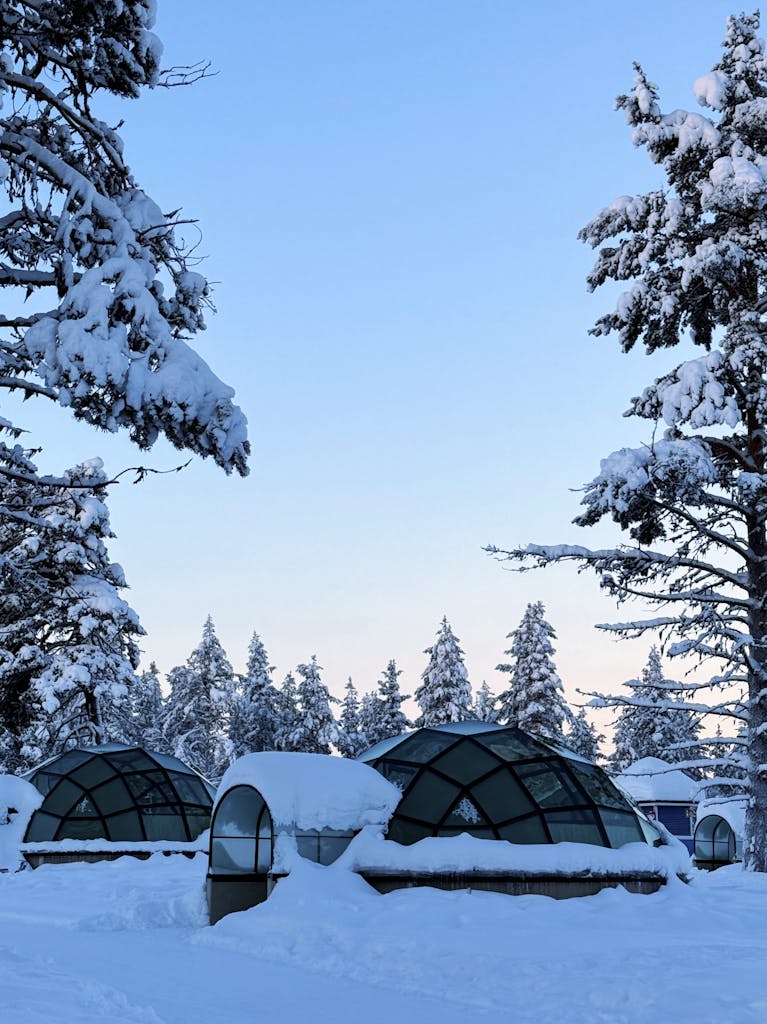
- Glass igloos and aurora accommodations
- Wilderness lodges and remote stays
- Snow and ice hotels (seasonal)
Each option suits a different travel style, budget, and season.
Step One: Isolation, Accessibility, or a Mix?
Before booking anything, ask yourself one key question: Do you want isolation, accessibility, or a balance of both?
- Accessibility-focused stays (city hotels, apartments, central resorts) are ideal if you don’t have a car, want restaurants and activities nearby, or prefer minimal logistics. For example Haawe Boutique hotel in Rovaniemi.
- Isolated stays (cabins, wilderness lodges) offer silence, privacy, nature, and authenticity but usually require a car and/or planning. For example Eco-Unela.
- Hybrid stays (cabins near resorts, lodges close to villages) give you the best of both worlds. For example SointuLevi in Levi.
For peak winter months, booking early is essential. However, flexibility is valuable. Weather, northern lights, and activities can all influence where you’ll want to be.
Book in advance, but allow flexibility if your plans change. Good accommodation balances comfort, warmth, and proximity to the experiences you value most.
Hotels, Resorts & Glass Igloos
Hotels and resorts are the most comfortable and least demanding accommodation option. They are also usually the most expensive, especially during peak season (December).
Pros:
- Easy access to tours and transfers
- Restaurants on-site or nearby
- Ideal without a rental car
Cons:
- Higher nightly prices
- Less privacy
- More tourists, especially in peak season
Glass igloos deserve a special mention. They are iconic and beautiful, especially for first-time visitors. Staying one night in a glass igloo can be a memorable experience, but it is not essential for an incredible Lapland trip. Many travelers prefer to combine one igloo night with longer stays elsewhere to balance budget and comfort. Rovaniemi glass igloo highlight: Glass resort
Cabins and Cottages: The Most Authentic Lapland Experience
About one in five Finns owns a cottage, and in Lapland many locals rent theirs out during winter via platforms like Airbnb or Booking.com. These cabins are deeply rooted in Finnish culture and are often what travelers imagine when they think of “real Lapland.”
Most cabins:
- Are located outside cities and tourist centers
- Sit near forests, lakes, or rivers
- Include a private sauna
- Have a fully equipped kitchen
- Offer privacy and silence
Cabins range widely:
- Small studio-style cabins for couples
- Traditional wooden family cottages
- Modern design cabins with panoramic windows
- Luxury wilderness retreats with no neighbors in sight
For a DIY Lapland holiday, cabins are often the best value-for-money option, especially for longer stays or families. Cooking your own meals, heating the sauna, and watching snowfall from a quiet forest location creates an experience no hotel can replicate.
Apartments and Aparthotels: Practical and Flexible
Apartments and aparthotels are an excellent middle ground. They combine hotel-level convenience with the freedom of self-catering.
Best for:
- Travelers without a car
- Longer stays
- Budget-conscious DIY travelers
They are especially common in Rovaniemi, Levi, Ylläs, and Saariselkä, and work well as a base for guided activities with transport included.
Airbnb apartments are very big thing in Rovaniemi right now, and there is many locals who do not agree with this type accommodation for tourists, as there is also people living their normal life in these buildings. If you choose apartments in a normal building, please be mindful of the residents. Silence after 10PM, do not leave trash to public spaces, do not keep loud noises in public spaces.
Snow Hotels and Ice Hotels (Seasonal)
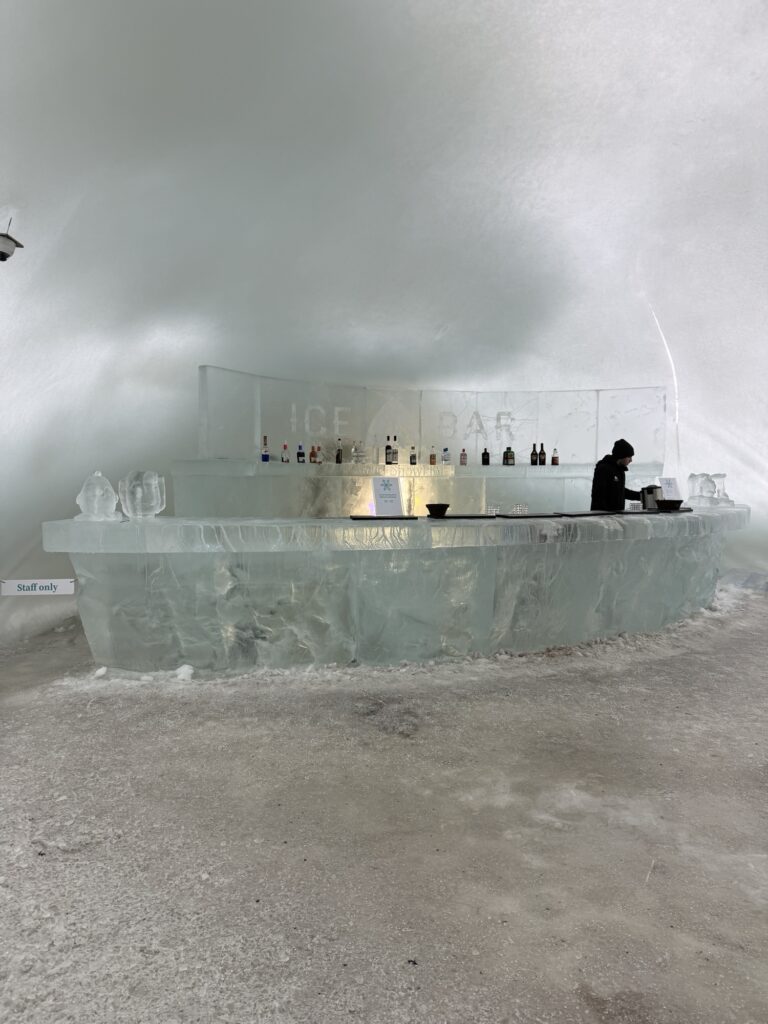
Snow and ice hotels are unique, but very niche. They are typically open only for part of the winter and usually recommended for one night only.
Expect:
- Sleeping in thermal sleeping bags
- Limited comfort
- A novelty experience rather than rest
They are best treated as a bucket-list stop, not a base.
People often debate the authenticity of snow hotels and ice-based accommodations, seeing them as tourist inventions. I understand the argument, but for me, they are deeply authentic. Building with snow is not a novelty in Finland. It’s something we’ve done since childhood. Snow has been used as shelter, insulation, and protection for generations. During wartime, snow and ice were part of survival strategies. Long before tourism existed, Finns understood how to work with winter, not against it.
5. Activities and Experiences
Lapland offers endless activities, but doing too much is one of the most common mistakes travelers make here.
The best DIY Lapland holidays are built around balance: high-energy experiences paired with simple moments. Choose activities that match your energy level, travel style, and the season you’re visiting. Instead of trying to do everything, focus on experiences that genuinely interest you and leave space for rest, weather changes, and spontaneous experiences.
Many winter activities in Lapland are often labeled as “tourist experiences.” From a Finnish perspective, that label is both true and incomplete. Reindeer herding, skiing, ice fishing, and snowmobiling didn’t appear because tourists arrived. They existed long before tourism, as ways to move, work, and survive in winter. What has changed is the context, not the activity itself.
Classic Winter Activities in Lapland
These are the experiences most travelers associate with Lapland, and for good reason. When done well, they are unforgettable.
- Husky sledding:
Longer, small-group tours tend to feel more authentic and less rushed than short, high-volume safaris. - Reindeer experiences:
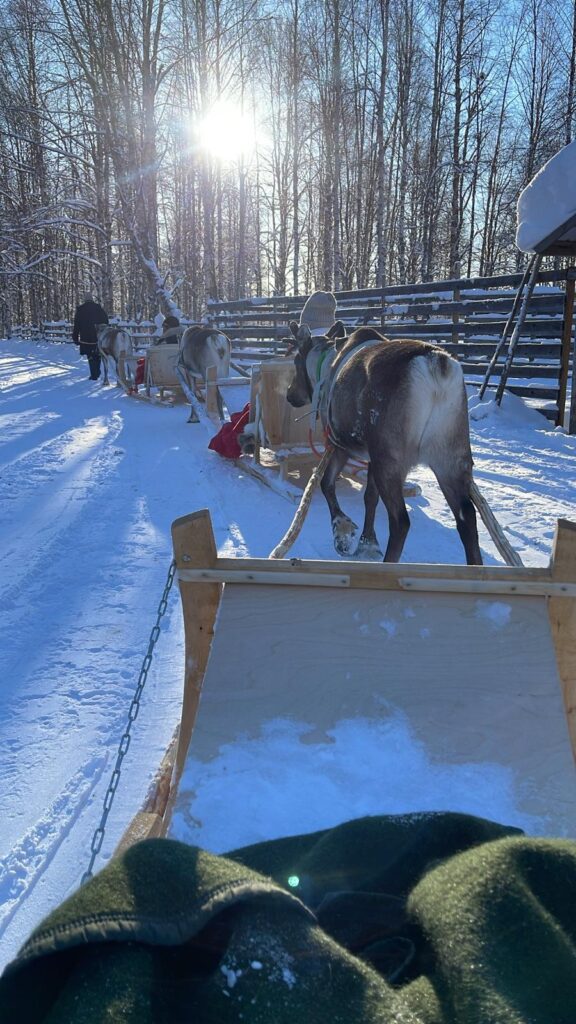
Traditionally slower and quieter than husky tours. Best enjoyed as a cultural experience rather than pure adrenaline. - Snowmobiling:
Covers long distances and gives access to remote landscapes quickly. Great for adventure lovers, but best in moderation. - Ice fishing:
A calm, almost meditative activity that introduces you to real Arctic life—especially rewarding in small groups. - Downhill skiing (alpine skiing):
Lapland is home to several well-maintained ski resorts, including Levi, Ylläs, and Saariselkä. Slopes are beginner-friendly, uncrowded compared to Central Europe, and in excellent condition—especially from February onward. - Cross-country skiing:
One of the most traditional winter activities in Finland. Extensive trail networks make it accessible even for beginners, and March often offers the best overall conditions. - Santa Claus experiences:
Visiting Santa Claus Village in Rovaniemi or meeting Santa through organized experiences is especially popular in December. For families with children, this can be a once-in-a-lifetime moment. Outside the Christmas season, interest is more limited and the experience feels more symbolic than festive. - Northern lights hunting:
Read more about northern lights hunting here. - Winter activity parks and snow villages.
Step into snow-built fantasy worlds like Snowman World Rovaniemi, Lapland Winter Park Rovaniemi, Arctic Fantasy Park Rovaniemi, Kotatieva Rovaniemi, SnowGlow Rovaniemi, SnowHotel Rovaniemi, Lainio SnowVillage Levi, Arcandia Adventure Park Levi.
Slow Experiences That Matter Just as Much
Some of the most meaningful moments in Lapland are the simplest, plus they’re often free.
- Walking through snowy forests
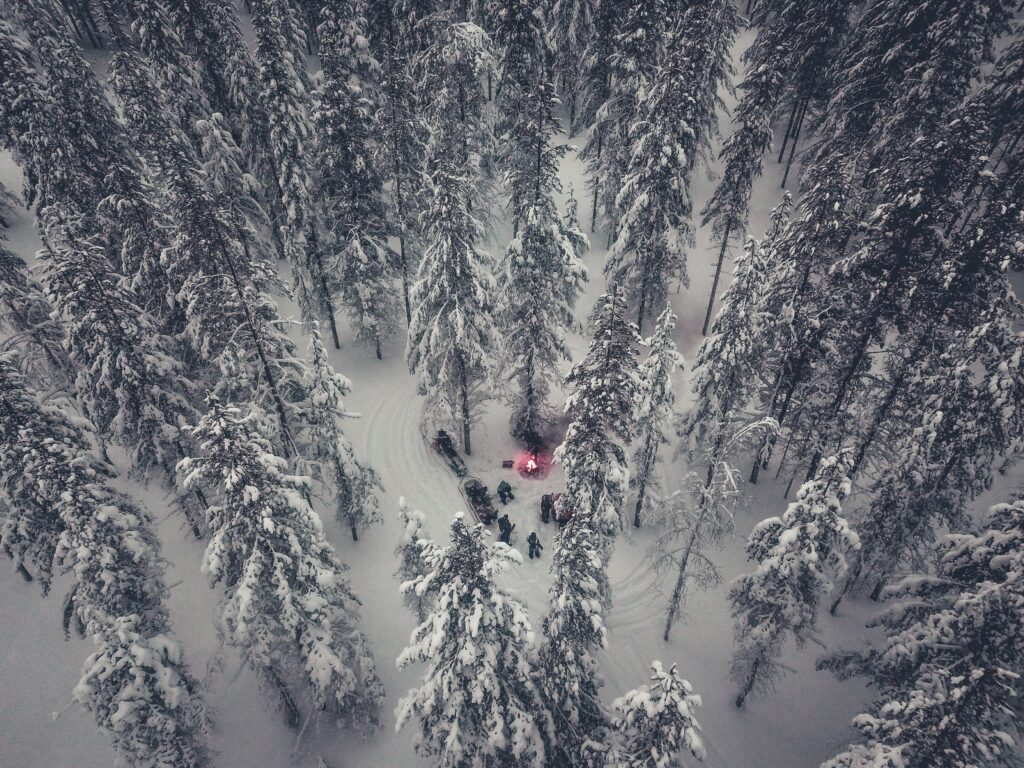
- Sitting by a fire with a warm drink
- Watching snowfall and just playing in the snow
- Visiting local cafés or small markets
- Building a snowman or sledding on a nearby hill
- Enjoying a long sauna session. Finnish “spa”.
Small-Group Tours vs. Large Commercial Safaris
Not all Lapland activities are equal.
Small-group and local operators often provide:
- More personal guidance
- Safer decision-making in extreme conditions
- Flexible routes based on weather
- A deeper connection to nature and local life
Large commercial tours often be:
- More crowded
- More rushed
- Less adaptable to conditions
For a DIY Lapland holiday, fewer high-quality experiences are almost always better than many rushed ones.
Quality Over Quantity
Choose:
- fewer activities
- longer durations
- better operators
- more recovery time
This approach not only improves your experience but also reduces stress, fatigue, and disappointment caused by unrealistic schedules.
6. Where and What to Eat
Food is a essential part of the Lapland experience. Cold weather, long outdoor days, and physical activities make warm, nourishing meals more than just comfort, they’re fuel. If you are hungry, you will feel cold much more.
Traditional Lappish Food to Try
Trying local food is one of the easiest ways to connect with the region.
Common traditional dishes include:
- Reindeer stew (poronkäristys), usually served with mashed potatoes and lingonberries
- Salmon soup (lohikeitto), creamy, warming, and perfect after a cold day outdoors
- Smoked salmon and arctic char
- Wild berries such as lingonberries, cloudberries, and blueberries, often used in desserts and sauces
- Rye bread and local pastries
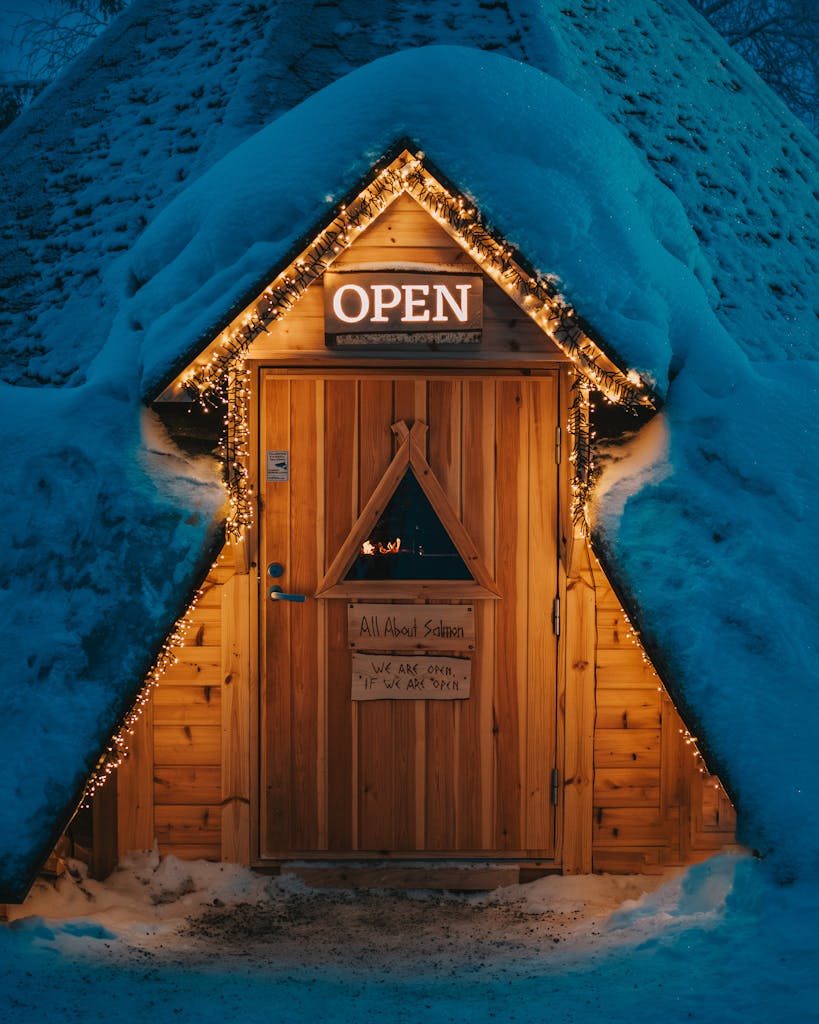
If you want to try out some very unique dining experience combine SnowHotel tour with dinner.
Restaurants and Cafés in Lapland: What Do They Cost?
Eating out in Lapland is convenient, but not cheap.
Typical restaurant prices:
- Main dishes in casual restaurants: 18–30€
- Traditional Lappish dishes or reindeer meals: 25–45€
- Fine dining menus: 60–100+€ per person
- Lunch menus (weekday): 12–18€ (often the best value)
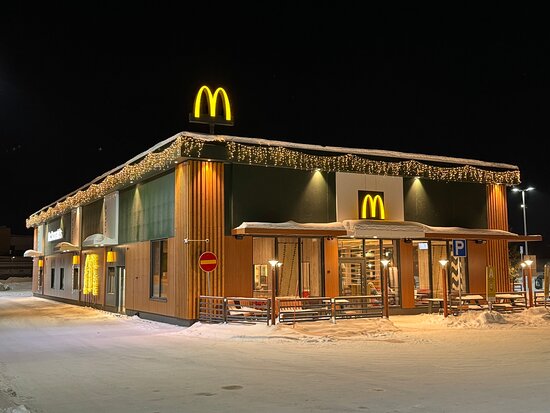
- Burger places: 8–15€
- Pizza or kebab: 9–16€
Cafés & Bars:
- Coffee or tea: 3–5€
- Hot chocolate: 4–6€
- Pastries: 4–10€
- Light café meals: 10–15€
- Beer: 5-12€
- Wine: 8-14€
- Coctails: 10-18€
Grocery Stores in Lapland: What to Expect
If you’re staying in a cabin, cottage, or apartment, grocery shopping will likely be part of your stay.
Lapland has the same major supermarket chains as the rest of Finland:
- K-Market / K-Supermarket / K-Citymarket (available in Rovaniemi)
- Sale / S-Market / Prisma (available in Rovaniemi)
- Lidl (available in larger towns)
- Minimani (available in Rovaniemi)
You’ll find grocery stores in:
- Rovaniemi
- Levi
- Ylläs
- Saariselkä
- Most larger villages and resort areas
Even smaller towns usually have at least one well-stocked grocery store or gas station with small shop.
Typical Grocery Prices in Lapland (Approximate)
- Fresh vegetables (e.g. carrots, onions, tomatoes): 2–4€ / kg
- Potatoes (2–3 kg bag): 2–4€
- Minced meat (400 g): 4–7€
- Plant-based protein alternatives: 3–5€
- Bread: 2–4€
- Pasta or rice: 1–3€
- Milk (1 liter): 1–1.50€
- Snacks and chocolate: 2–5€
(Prices 1/2026)
In cold conditions, food affects energy, warmth, and recovery more than you expect. Planning meals is part of trip planning, not an afterthought. Good food makes cold days much easier.
7. What to wear
What you wear in Lapland can make or break your entire trip.
Cold itself is not the problem, being cold is. With the right clothing, even –20°C feels manageable. The key to dressing for Lapland is layering, not thick single items.
The Golden Rule: Layering
Forget fashion rules. In Lapland, clothing is about function.
You’ll need:
- Base layer – keeps moisture away from your skin
- Best materials: Merino wool (top choice), Technical synthetic fabrics
- Avoid: Cotton (it traps moisture and makes you cold)
- Mid layer – provides insulation
- Good options: Fleece jackets, Wool sweaters, Lightweight down or synthetic insulated jackets
- Outer layer – protects from wind, snow, and moisture
- Look for: Windproof material, Waterproof or water-resistant fabric, Room to layer underneath
- For feet: Insulated winter boots, enough room for wool socks, wool socks
- Hat that covers your ears
- Balaclava or scarf to protect your neck
- Gloves: insulated, preferably waterproof
This system allows you to adapt to:
- changing temperatures
- physical activity vs. stillness
- indoor–outdoor transitions
Read more about layering HERE!
Renting vs. Buying Winter Clothing
If you don’t own proper winter gear, you have two good options.
Renting makes sense if:
- you’re visiting Lapland once
- you don’t want to invest in expensive gear
- you’re flying with limited luggage
Buying makes sense if:
- you travel to cold destinations regularly
- you want perfect personal fit
- you plan winter activities at home
Many rental packages include:
- winter jacket
- snow pants
- boots
- gloves
I recommend renting also as a more ecological option OR donate your clother to local church or red cross after your stay. We have many people in need also in here.
Rent winter clothing:
Common Clothing Mistakes in Lapland
Avoid these:
- Wearing jeans outdoors
- Too few layers
- Too many layers
- Tight boots
- Cotton base layers
- Dressing for photos instead of conditions
Warmth always beats style.
8. Time to Relax
Lapland isn’t about constant action. Allocate time to slow down and recharge. Sauna sessions, quiet walks in snowy forests, or sitting by a fire with a warm drink are as essential as any adventure.
Let some days or afternoons be unstructured, giving you space for spontaneous magic like northern lights or a peaceful moment in the wilderness.
If you’re traveling to Lapland with children, don’t underestimate how magical simple snow play can be. I’ve seen countless families where the children’s favorite part of the entire Lapland trip wasn’t an activity, an excursion, or even a special accommodation, it was simply the snow.
For many children, this may be the first time they experience snow this deep, this clean, and this constant. It’s new. It’s physical. It invites play without instructions. Building snowmen together. Making snow angels. Sledding down small hills. Throwing snowballs. These moments don’t require bookings, schedules, or money but they often become the strongest memories of the trip.
One Comment